Building knowledge infrastructure across four foundational spaces: collective inquiry, temporal connection, immersive experience, and reflective practice. Each container holds different ways of knowing, connecting, and creating civic capacity.
Collective Knowledge
Building civic imagination in a time of division
Sparking collective inquiry through deep community engagement. We invite individuals and small groups to articulate the question that matters most and trace how lived experience shapes that question.
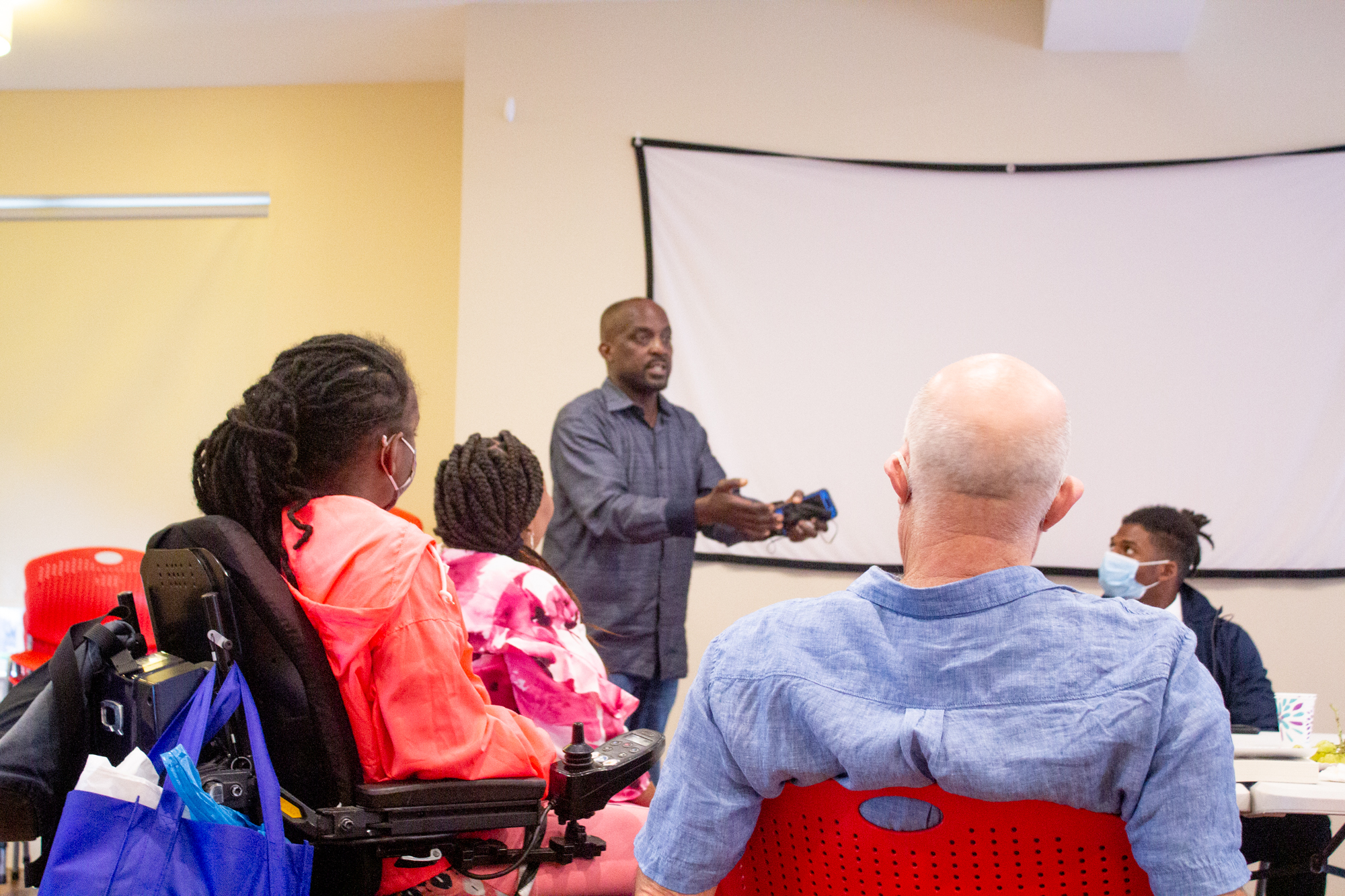
Local groups engage in analog sessions connecting nationally through shared networks and digital submission. The Civic Knowledge Transformer maps how communities make meaning across thousands of submissions—revealing not just what people say, but how they orient to questions, where they locate agency, and what shapes their civic reasoning. We're building infrastructure to keep civic inquiry alive.
Be the ConversationDemocratizing knowledge through authentic conversation
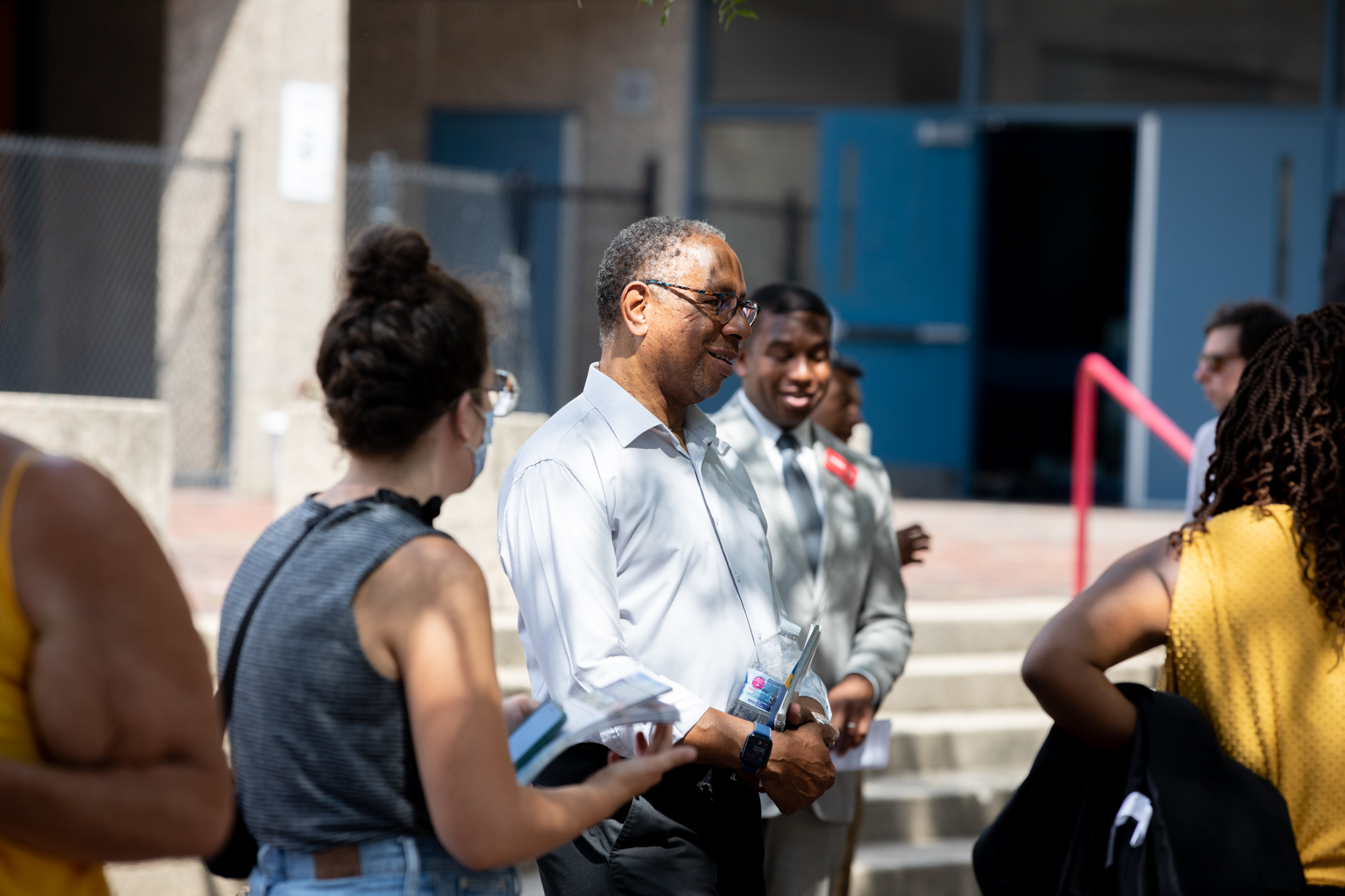
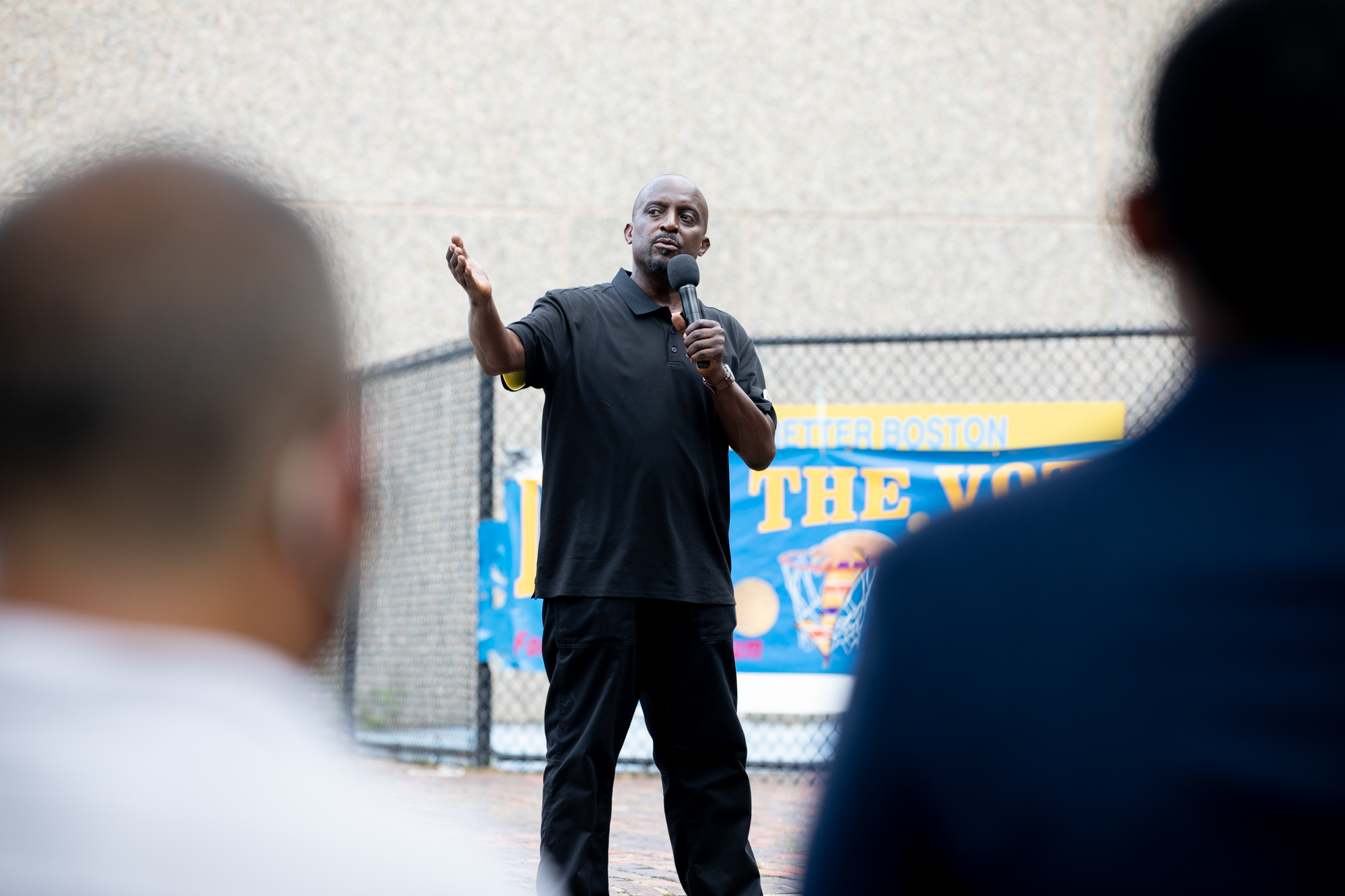
Founded in Boston through partnership between MIT's Center for Constructive Communication and five local community organizations. Real Talk Network emerged as a community-driven civic infrastructure capturing lived experiences and perspectives of voices too often unheard in civic life.
The methodology turns community conversations into actionable insights through meaningful dialogue, participatory sensemaking, transcription, and coding. We train local facilitators and empower communities to continue this work beyond the project phase.
Boston Globe FeatureTemporal Knowledge
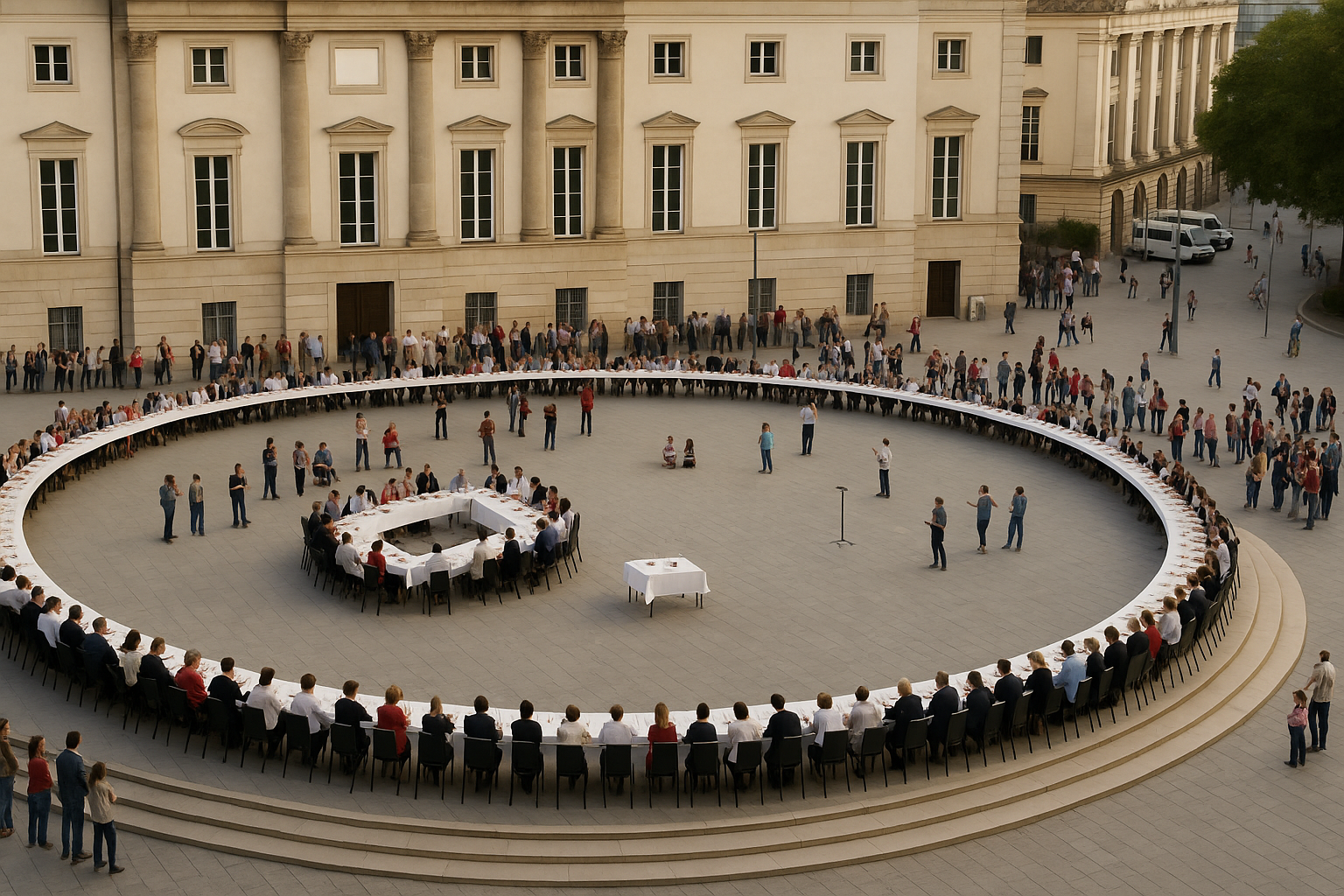
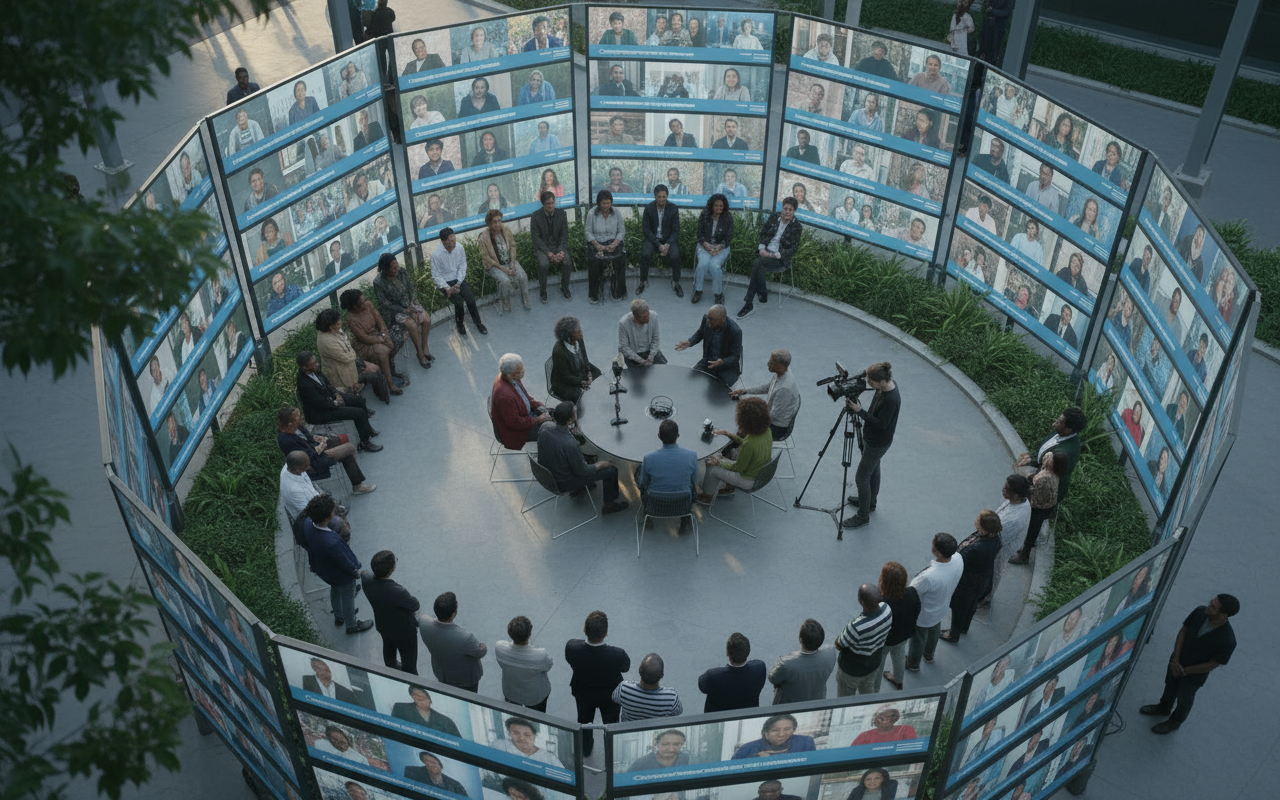
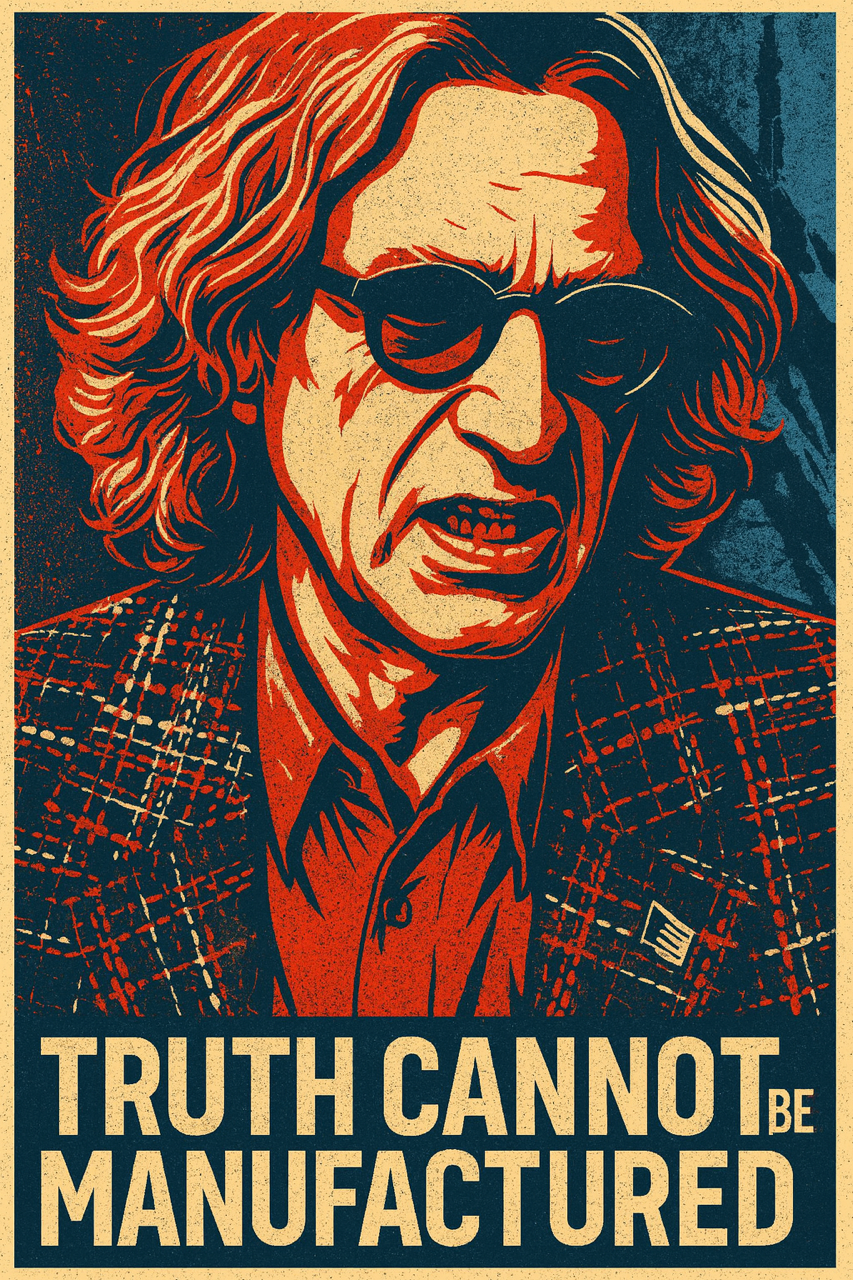
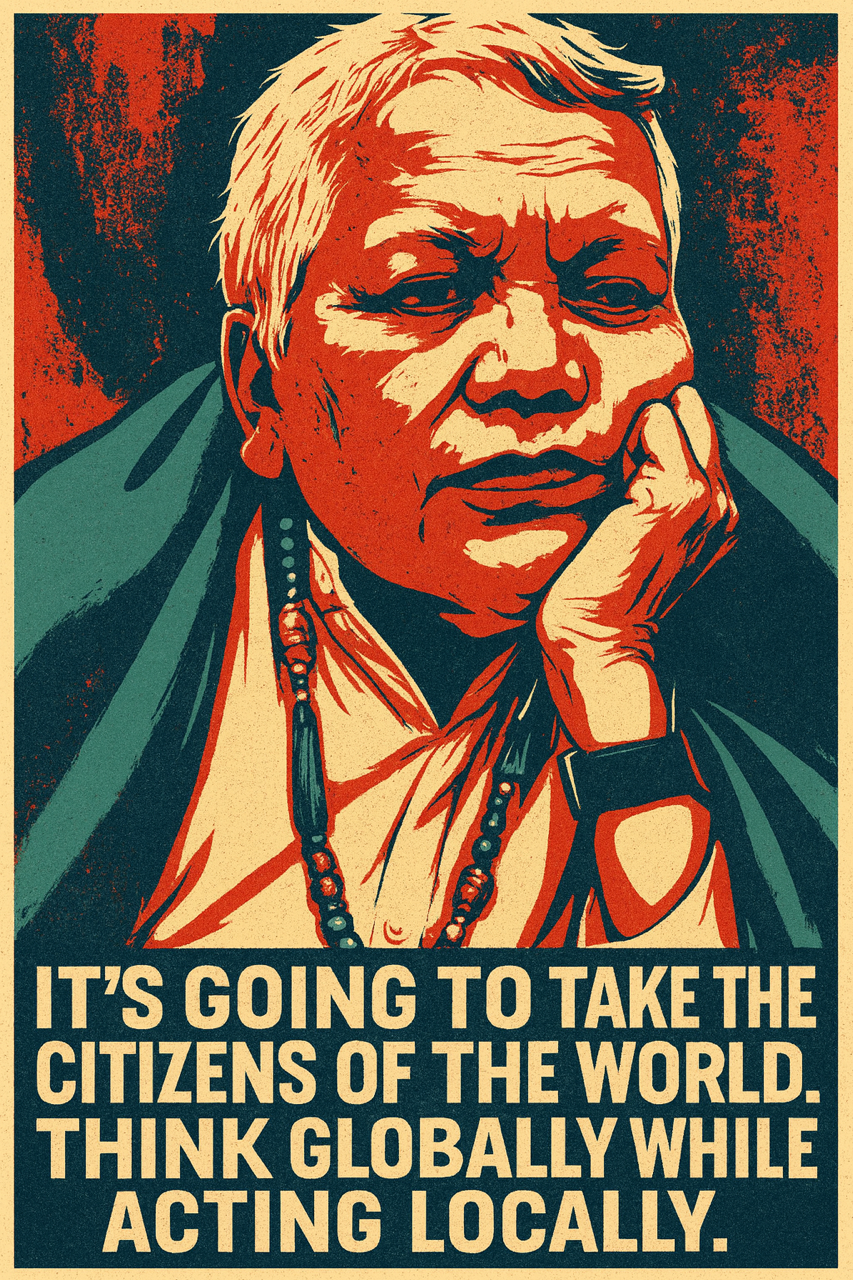
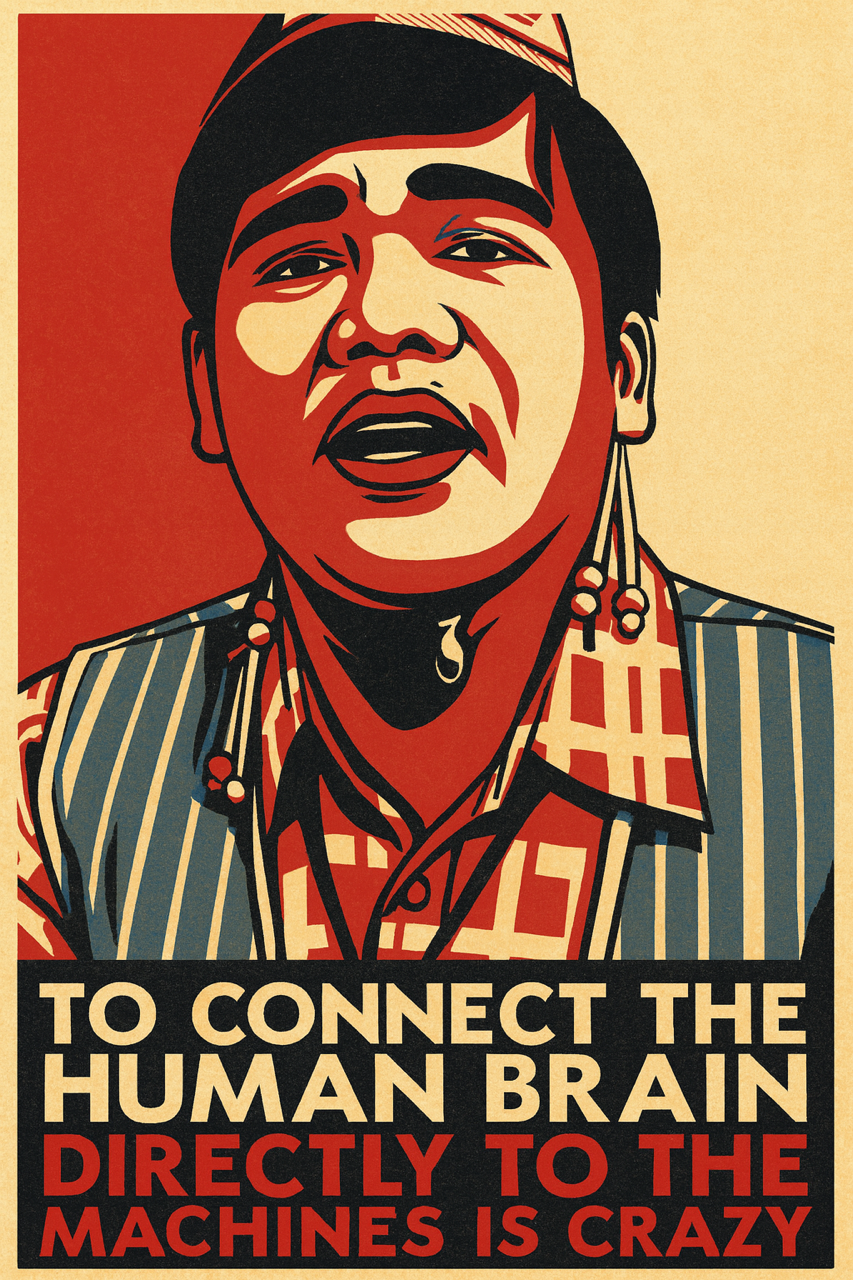
September 2006. Berlin's Bebelplatz, site of the Nazi book burnings. 112 people from 48 countries gathered at a monumental round table to answer 100 questions crowdsourced from around the world. Now, we're building tools to activate this archive, bridge past and present, and imagine futures through temporal dialogue.
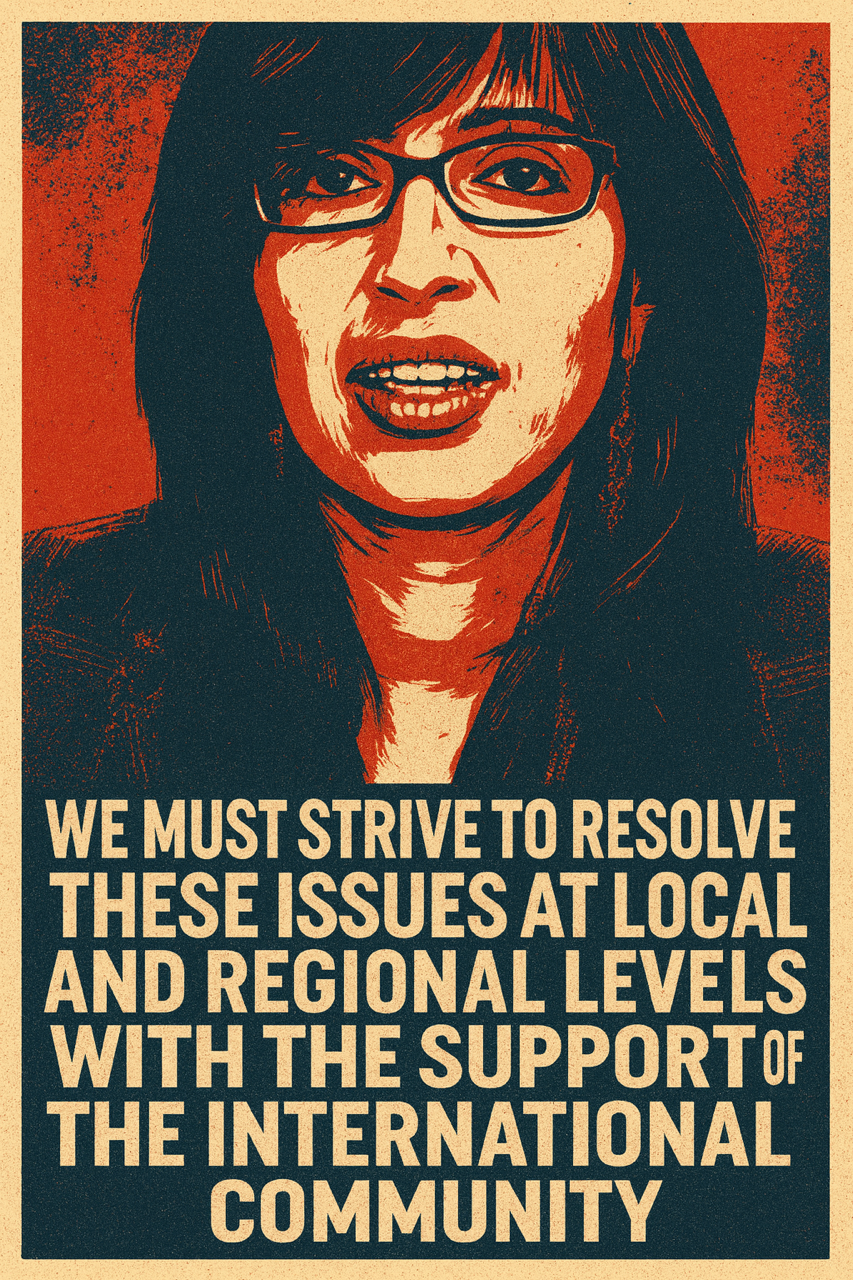
Over 7,000 responses on film. A living archive of global wisdom at a pivotal moment in history.
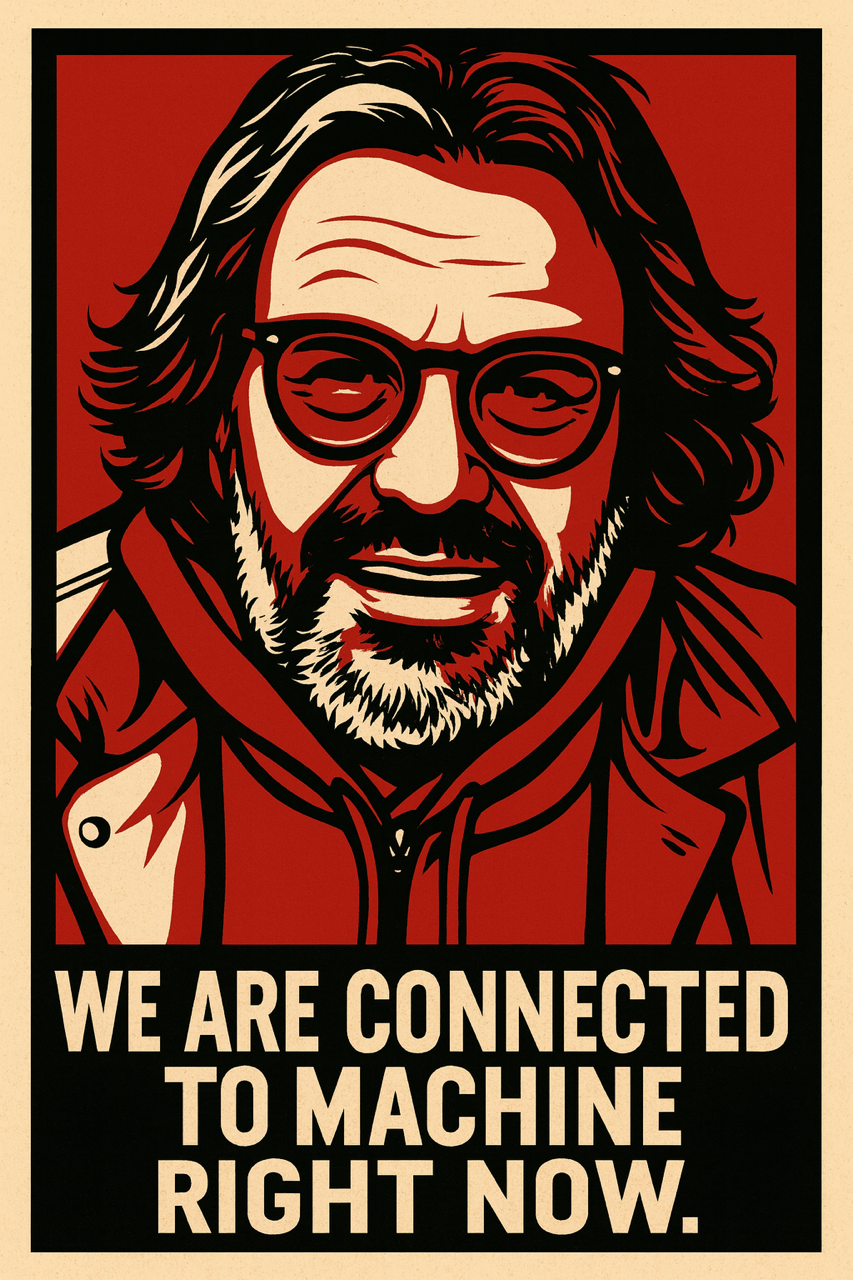
Bringing these questions into present conversation. Original participants responding now. AI models engaging. Building bridges to 2046.
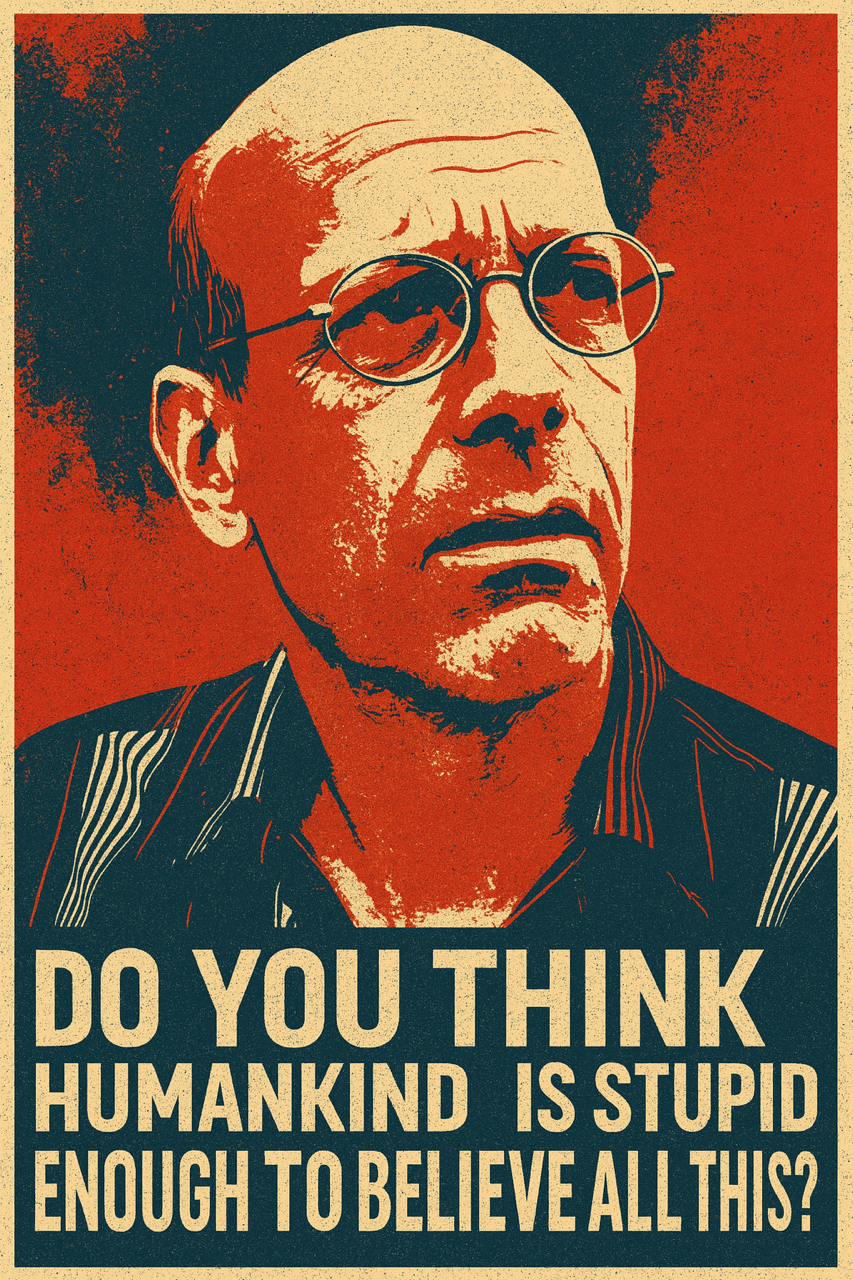
"The question is not what you look at, but what you see."
These experimental tools activate the Table of Free Voices archive, but they're designed for any community voice collection. Prototypes in different forms, always evolving—exploring new ways to elevate archival voice through temporal dialogue.
Click on participants to hear their perspectives. Navigate between voices and questions.
Three speakers on one question. Swap participants. Add your own voice.
Step into the space. Watch videos of different voices responding in immersive 360°.
Remix voices through audio and video. Add music. Create new conversations.
Immersive Knowledge
Browser-based 360° environments, WebXR experiences, and AR layers where communities shape their own spatial stories. Each environment becomes a node—layering place, memory, and perspective. Building immersive technology through community partnership, centering voices that live the experience.
Parramore, Florida. The Mississippi Delta. MIT's campus. Three active projects testing how place-based wisdom moves through immersive media. When the people who hold the stories control how they're spatially told, what futures emerge?
Orlando, Florida
Navigate Orlando's historic Parramore neighborhood through immersive 360° space. Move between the Community Center and streets outside, encountering layered video stories from residents. Multiple perspectives coexist—elders, organizers, young people—each voice shaping how the neighborhood's story gets told.
Mississippi Delta
Blues as knowledge transmission. Music as one of the original ways people held and told their stories. Using 360° space and multiple forms of media to encounter this living archive. Working with musicians who carry these stories, both legends and new voices keeping the tradition alive.
Cambridge, Massachusetts
How different people witness the same space—campus and neighborhood converge around the Alchemist. Students, faculty, longtime residents, international visitors all see it differently. Stories shared through video, text, song, code, art. Same landmark, different experiences, simultaneous truths across generations.
Reflective Knowledge
Facilitation practices and frameworks that help groups surface what they already know. Pattern recognition. Shared meaning-making. Organizational learning as collective capacity.
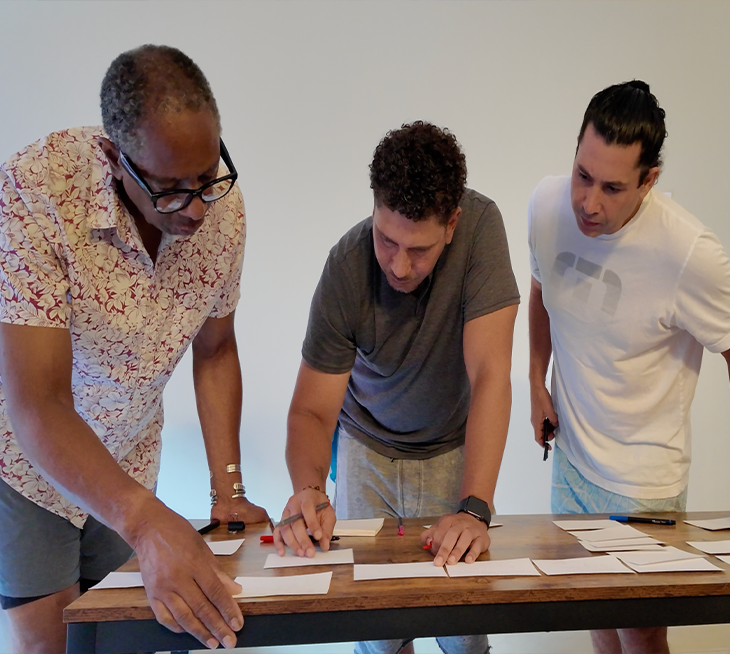
A facilitation practice for surfacing and learning from pivotal experiences that shape how groups understand their work. Through structured dialogue, teams map the moments that transformed their understanding, discovering ways of knowing what they already know.
Creating shared awareness and building capacity for collective sense-making. Reflective practice tools help organizations recognize patterns, honor complexity, and develop deeper insight into how they create impact together.
This container is emerging. Critical Moments Reflection is one tool among many we're developing for reflective practice. Pattern recognition frameworks, shared meaning-making protocols, and organizational learning infrastructure are all part of how we help teams discover what they already know.
These knowledge containers grow through collaboration. Every project begins with relationship.
Get in Touch